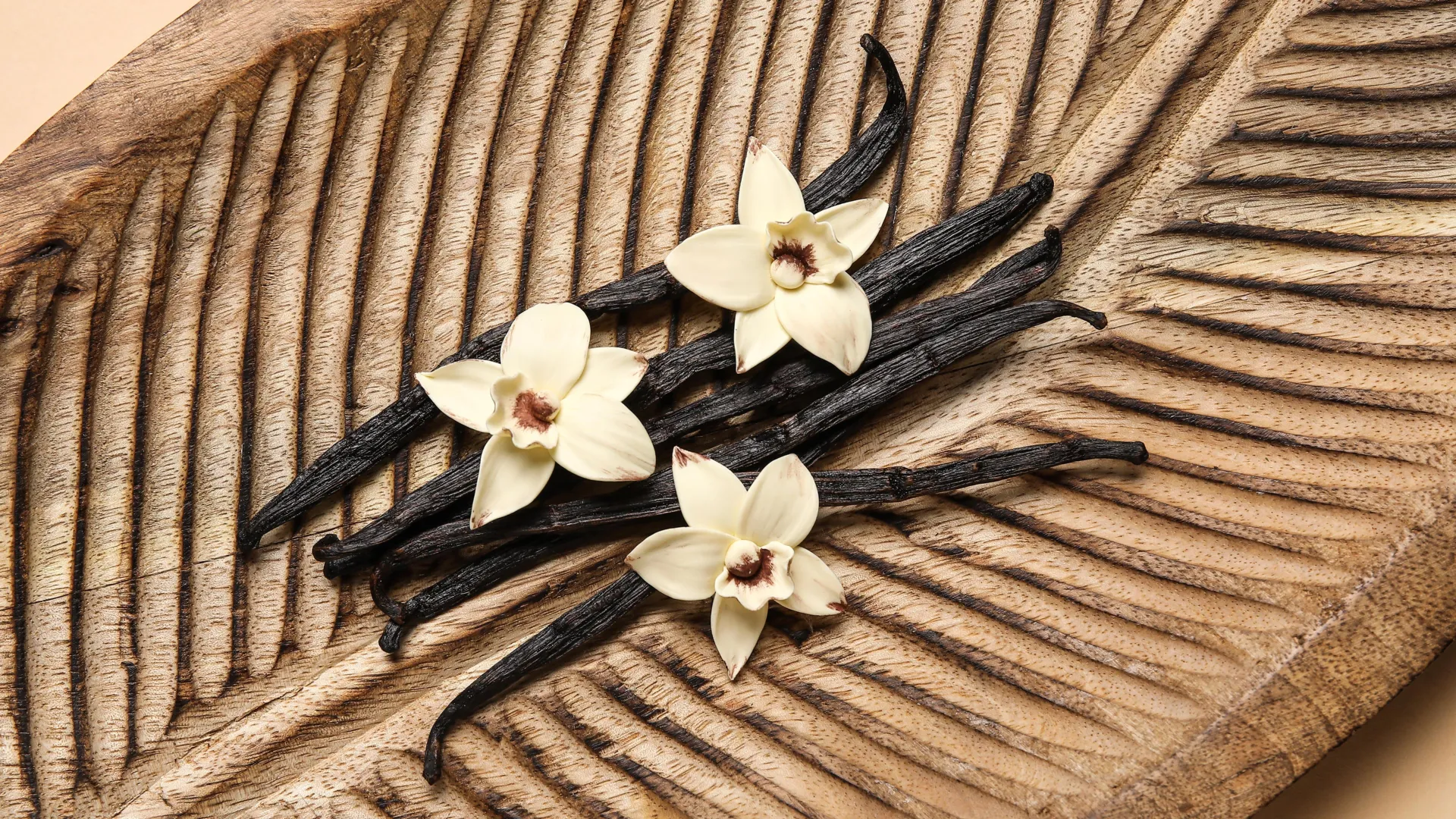
Researchers at Flinders University have uncovered a surprising potential use for a familiar kitchen ingredient: vanilla. A study published in the International Journal of Pharmaceutics reveals that vanillin—the primary compound responsible for vanilla's distinct flavor and aroma—possesses powerful antioxidant, anti-inflammatory, and antibacterial properties.
These traits could soon pave the way for next-generation medical treatments, particularly for chronic wounds, ulcers, and tissue regeneration.
Key Takeaways from the Research
- Multifunctional Healing: Vanillin tackles multiple challenges in wound care at once by fighting bacteria, reducing inflammation, and lowering oxidative stress.
- Cost-Effective and Accessible: Because synthetic vanillin is abundant, inexpensive, and has a long history of safety, it can be easily manufactured on a large scale for medical products.
- Targeting Difficult Medications: Thanks to its unique molecular structure, vanillin can help formulate and deliver hydrophobic compounds (substances that do not easily dissolve in water) to areas where they are needed most.
Beyond the Kitchen
While best known for flavoring foods and desserts, vanillin's molecular properties make it useful far beyond the culinary world. Lead researcher Professor Krasimir Vasilev notes that vanillin's long history of safety and chemical stability can easily transfer to biomedical applications.
This research builds on a previous study by the same team that explored the medical benefits of everyday substances, such as creating antibacterial nanocoatings inspired by peppermint oil.
The Path Forward
While the laboratory findings are promising, further development and clinical testing are required before vanillin-based treatments can be used safely in patients. Ultimately, researchers envision vanillin becoming a key component in advanced wound dressings, targeted drug delivery systems, and tissue engineering therapies.