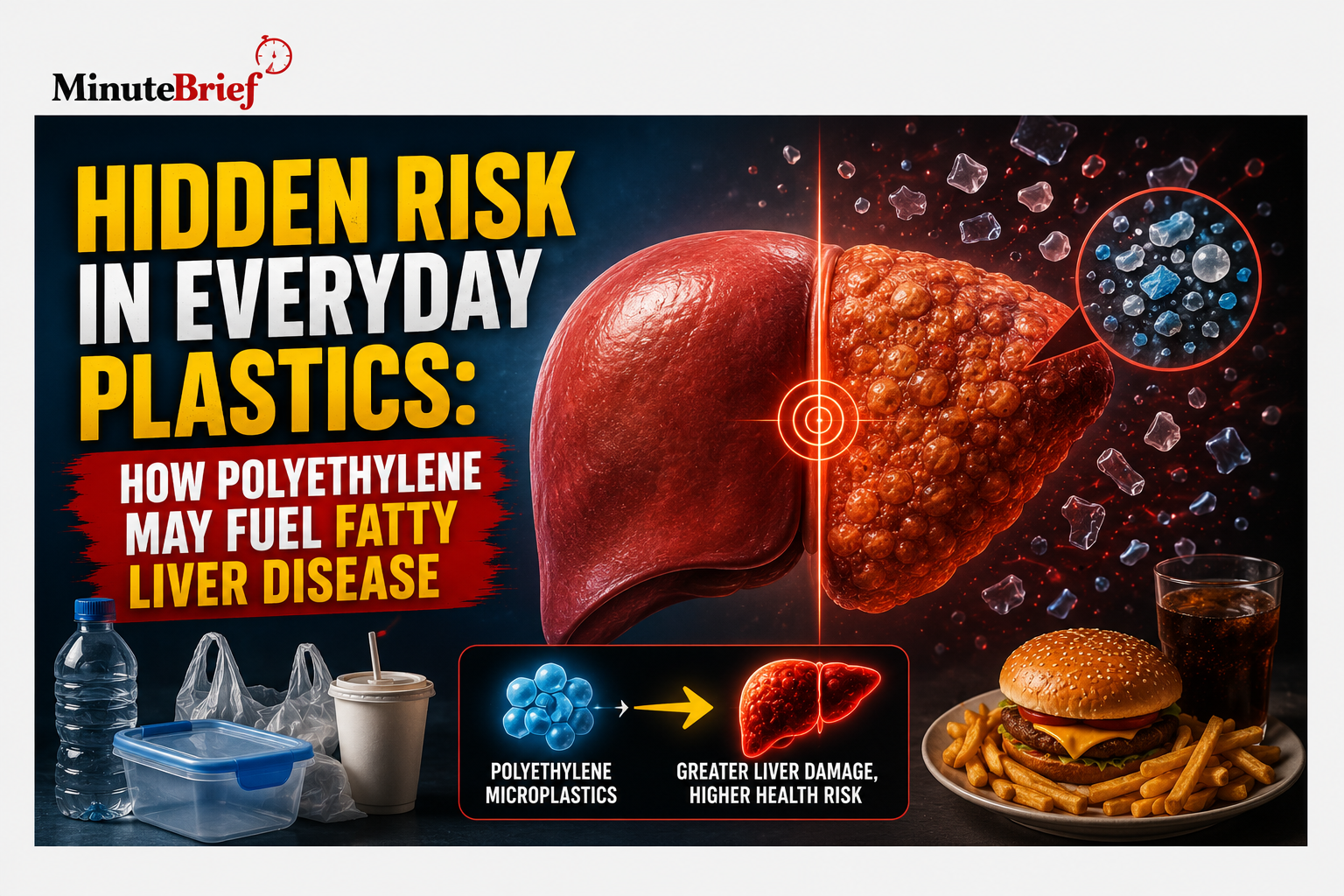
A material long considered entirely harmless may pose a subtle threat to our internal health. Researchers at Texas A&M University have discovered that polyethylene microplastics—one of the most common plastics in the world—can contribute to fatty liver disease, with damage escalating significantly when combined with an unhealthy diet.
Key Takeaways from the Research
- An Unexpected Culprit: Polyethylene accounts for roughly one-third of global plastic production, used heavily in food wrappers, storage containers, and beverage cup linings. Previously, it was considered biologically inert and relatively harmless.
- Direct Liver Impact: Laboratory findings reveal that exposure to polyethylene microplastics increases indicators of fatty liver disease even without dietary influences.
- The Diet Multiplier: When microplastic exposure is combined with a Western-style diet rich in fats, fructose, and cholesterol, the signs of liver disease and tissue stress become markedly more severe.
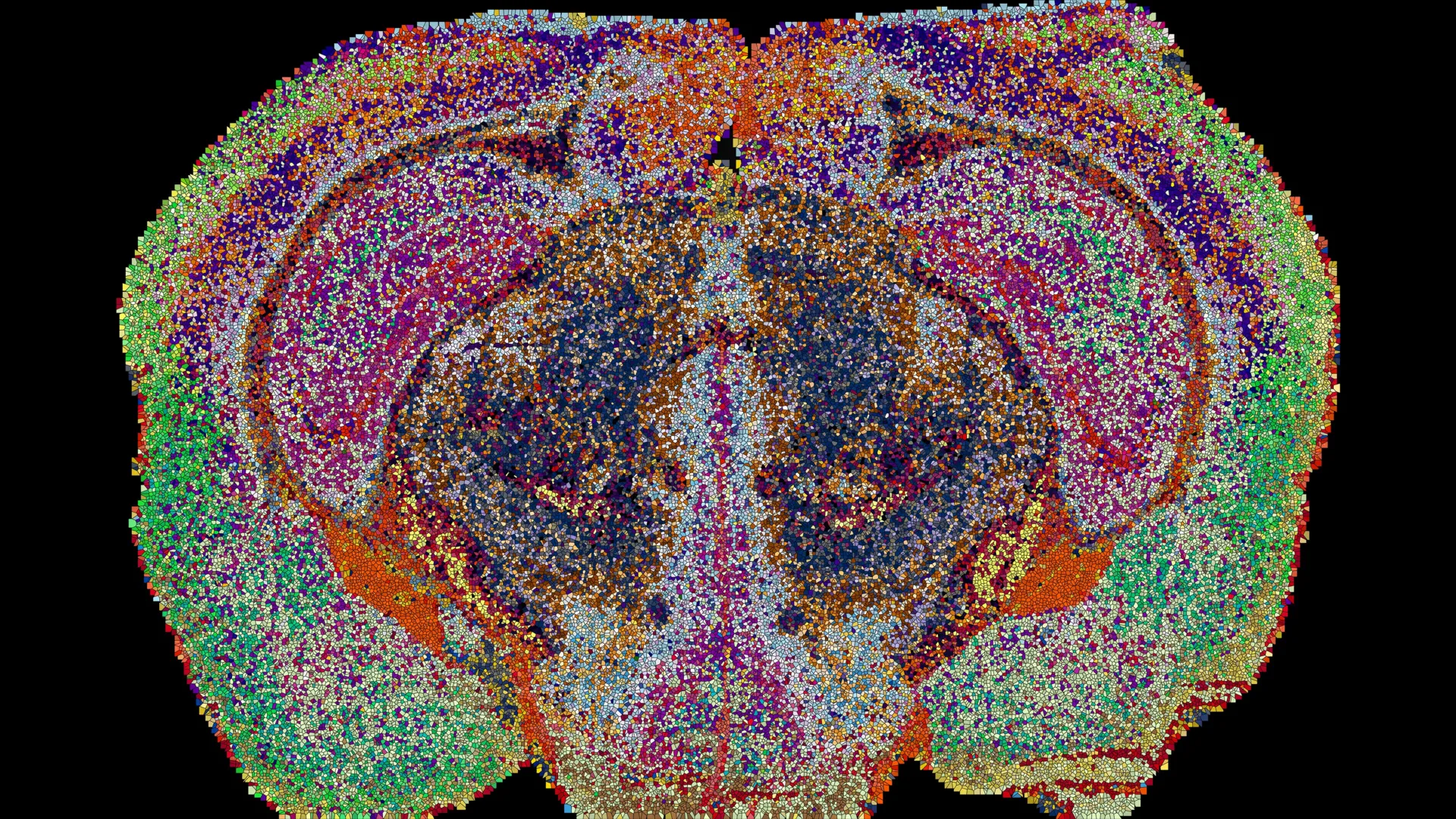
- Cellular Mapping: Using advanced spatial transcriptomics, scientists mapped precise areas of liver damage and identified that polyethylene activates specific proteins (like PPAR-alpha) responsible for regulating fat metabolism and tissue repair.
Why It Matters Beyond the Kitchen
Fatty liver disease already affects approximately 25% of people worldwide. While doctors typically attribute the condition to poor dietary habits, lack of exercise, or genetics, this study suggests that everyday environmental pollutants like microplastics might act as an overlooked catalyst.
Because tiny plastic particles have become ubiquitous in drinking water, oceans, and food, understanding how they interact with our metabolic and defense mechanisms could reshape how we evaluate chronic illnesses.
The Path Forward
While these preliminary findings open important doors for environmental and health science, further research is needed. Scientists are next planning to investigate whether long-term polyethylene exposure can trigger more advanced, dangerous stages of liver disease, such as fibrosis and scarring.