As popular GLP-1 medications like Ozempic, Wegovy, and Mounjaro continue to transform obesity and diabetes treatment, new research suggests they may come with unexpected cosmetic and physical side effects.
A multinational study presented at the European Academy of Dermatology and Venereology (EADV) Congress has uncovered a surprising link between these medications and issues affecting fingernails, hair, and the scalp.
Surprising Findings on Nail Health
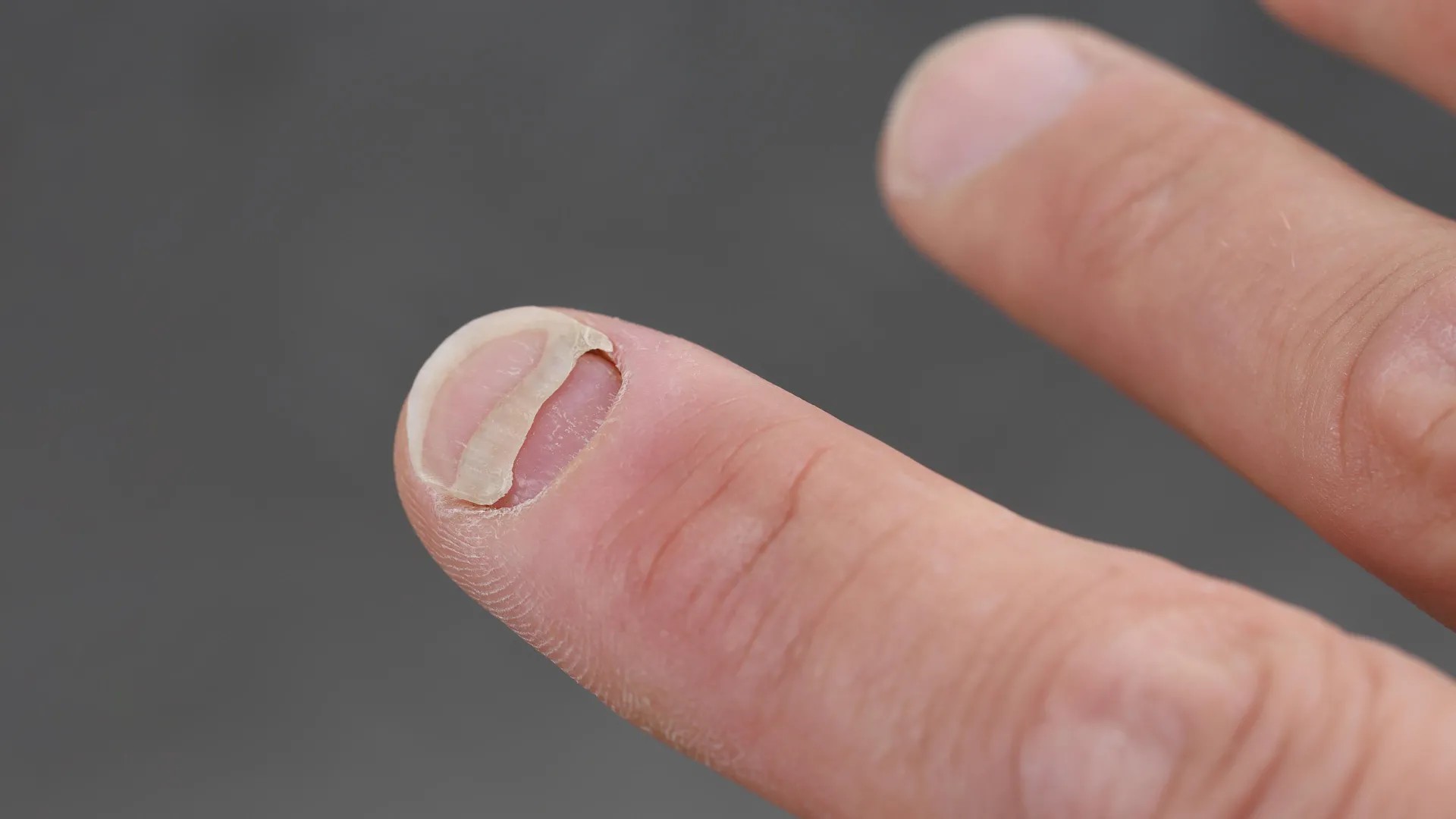
While gastrointestinal side effects are widely known, researchers discovered that nail changes are significantly more common among people taking GLP-1 receptor agonists:
- Higher Overall Rates: Roughly 66% of GLP-1 users reported experiencing at least one nail disorder, compared to 53% in the control group.
- Nail Detachment: Users were more than four times as likely to experience nail detachment (where the nail separates from the underlying skin), affecting 39% of users compared to just 9% of nonusers.
- Discoloration: Nail discoloration was also widespread, reported by 46% of medication users versus 17% of nonusers.
Beyond Hair Loss: The Scalp Inflammation Connection
The unexpected findings extended well beyond fingernails, highlighting notable changes in hair and scalp health:
- Increased Shedding: Half of GLP-1 users reported unusual hair loss, compared to 34% of nonusers.
- Reduced Volume: Lower hair density or volume affected 42% of users versus 19% of the control group.
- Scalp Redness and Itching: Researchers noted that hair loss rarely happened on its own. Most users experiencing shedding also reported scalp symptoms like itching, redness, or flaking, pointing toward a possible inflammatory component rather than simple post-weight-loss shedding.
Is Rapid Weight Loss to Blame?
A primary question for researchers was whether these changes were simply a byproduct of rapid weight loss, which can temporarily disrupt nutrition and physical health.
However, when isolating participants who had lost weight, GLP-1 users still reported significantly more nail and hair problems than nonusers. Even after adjusting for pre-existing skin conditions and nutritional deficiencies, nail detachment and discoloration remained two to three times more frequent among those taking the medications.
What Experts Recommend
While the numbers are striking, researchers emphasize that the findings should prompt awareness rather than alarm:
- Do Not Stop Treatment: Experts stress that these symptoms are usually benign and not a reason to stop an effective medication on your own.
- Consult Your Doctor: Anyone experiencing unusual nail changes, scalp redness, or hair shedding should mention it to a healthcare provider to explore potential treatments rather than discontinuing therapy.
Because the research was observational and relied on patient-reported symptoms, scientists plan to conduct prospective studies to track patients from the beginning of treatment to better understand the direct mechanisms at play.