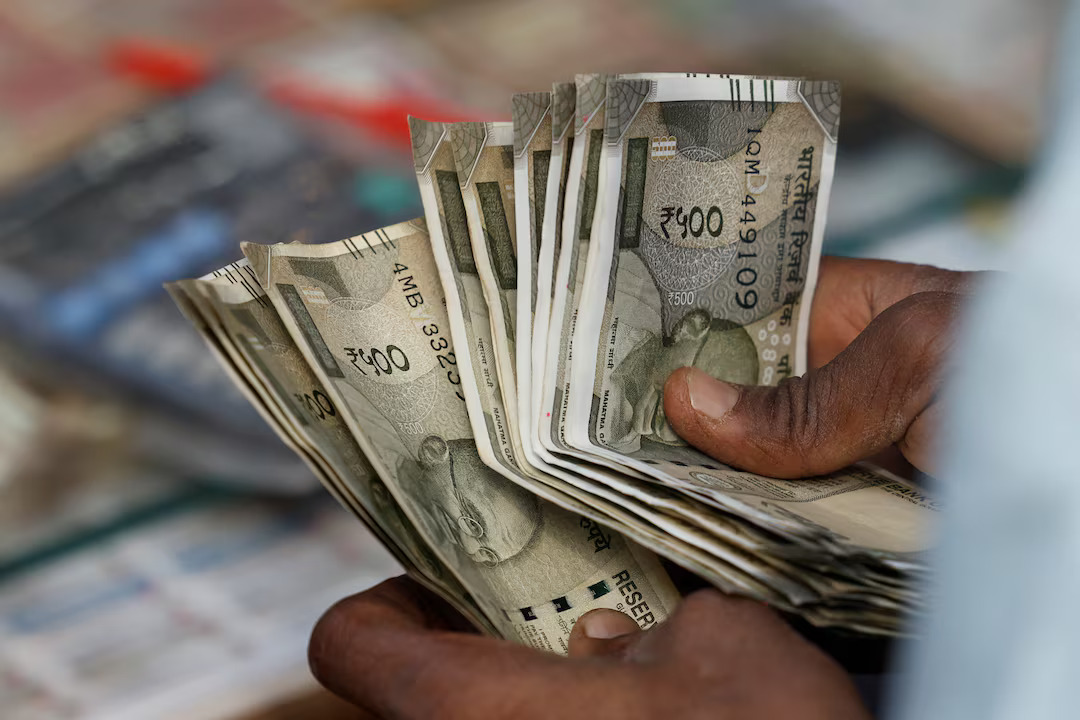
The Indian rupee experienced a sharp recovery on Monday, jumping roughly 1% to 95.74 per dollar from its previous close of 96.73. The rally comes on the heels of major policy announcements by the Reserve Bank of India (RBI) designed to curb intense spot and forward dollar demand and ease persistent pressure on the currency.
Key Highlights
- Immediate Relief: The rupee outperformed largely rangebound Asian peers on Monday, clawing back some ground after suffering a 6.5% decline earlier in the year.
- Targeting Oil and Hedging: The RBI's new measures focus heavily on curbing persistent dollar demand from oil marketing companies—aggravated by high crude prices—and corporate hedging activities.
- Higher Hedging Costs: To discourage speculative depreciation trades, the central bank barred firms from re-booking cancelled derivatives, lowered transaction thresholds without underlying exposure, and required banks to set aside 20% cash against specific FX contracts. These rules are expected to increase hedging costs for importers by 80 to 150 basis points.
- Market Intervention: Traders noted that the RBI likely stepped up direct intervention on Monday, backing the currency's gains through dollar sales executed by state-run banks.
Outlook and Long-Term Pressures
While analysts at Citi forecast an initial knee-jerk appreciation for the rupee, they caution that the fundamental balance of payments pressures have not entirely disappeared. Financial institutions like ANZ suggest that unless broader pressures subside, gradual depreciation trends could resume once the immediate impact of the RBI’s policy package fades.
India's foreign exchange reserves currently stand at $734 billion as of October 2, down from a record peak of $785 billion in September.