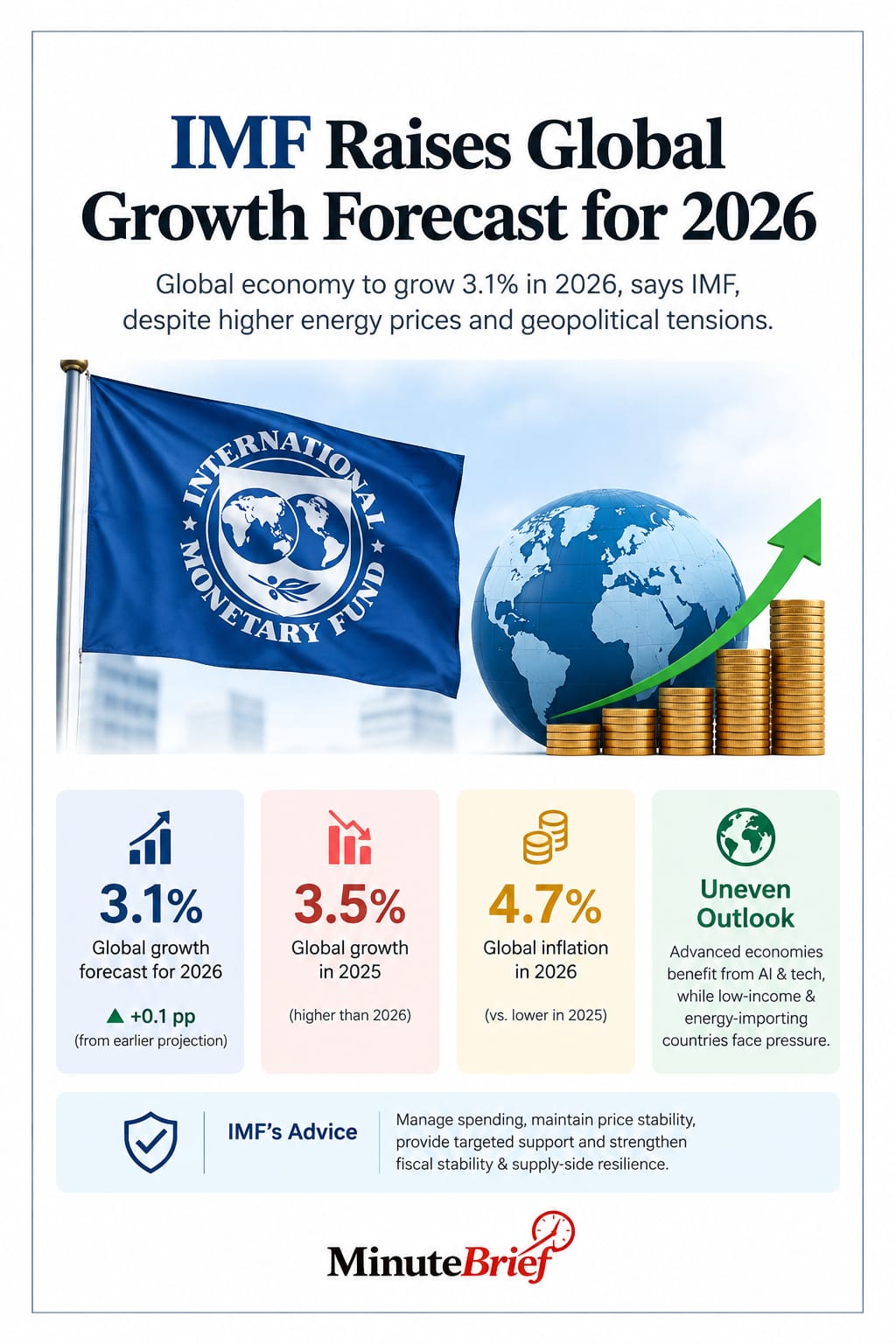
The International Monetary Fund (IMF) has warned that low-income developing countries may need to cut public spending or seek debt restructuring as the Iran war drives up energy and food prices. Heavily indebted nations reliant on imported oil are among the hardest hit, facing pressure to protect their populations while managing rising inflation and growing financial obligations.
IMF Deputy Director of Research, Petya Koeva Brooks, said repeated global economic shocks in recent years have increased debt levels and made inflation a persistent concern. The conflict in West Asia has disrupted oil and gas supplies, raising energy costs and affecting essential commodities like fertilisers. These challenges are especially severe in poorer countries, where energy and food make up a large part of household spending.
The IMF has recommended targeted subsidies for vulnerable groups while urging governments to rebuild financial reserves and tackle unsustainable debt. It also stressed that countries unable to manage their debt should consider timely and orderly restructuring rather than postponing action and risking higher costs later.
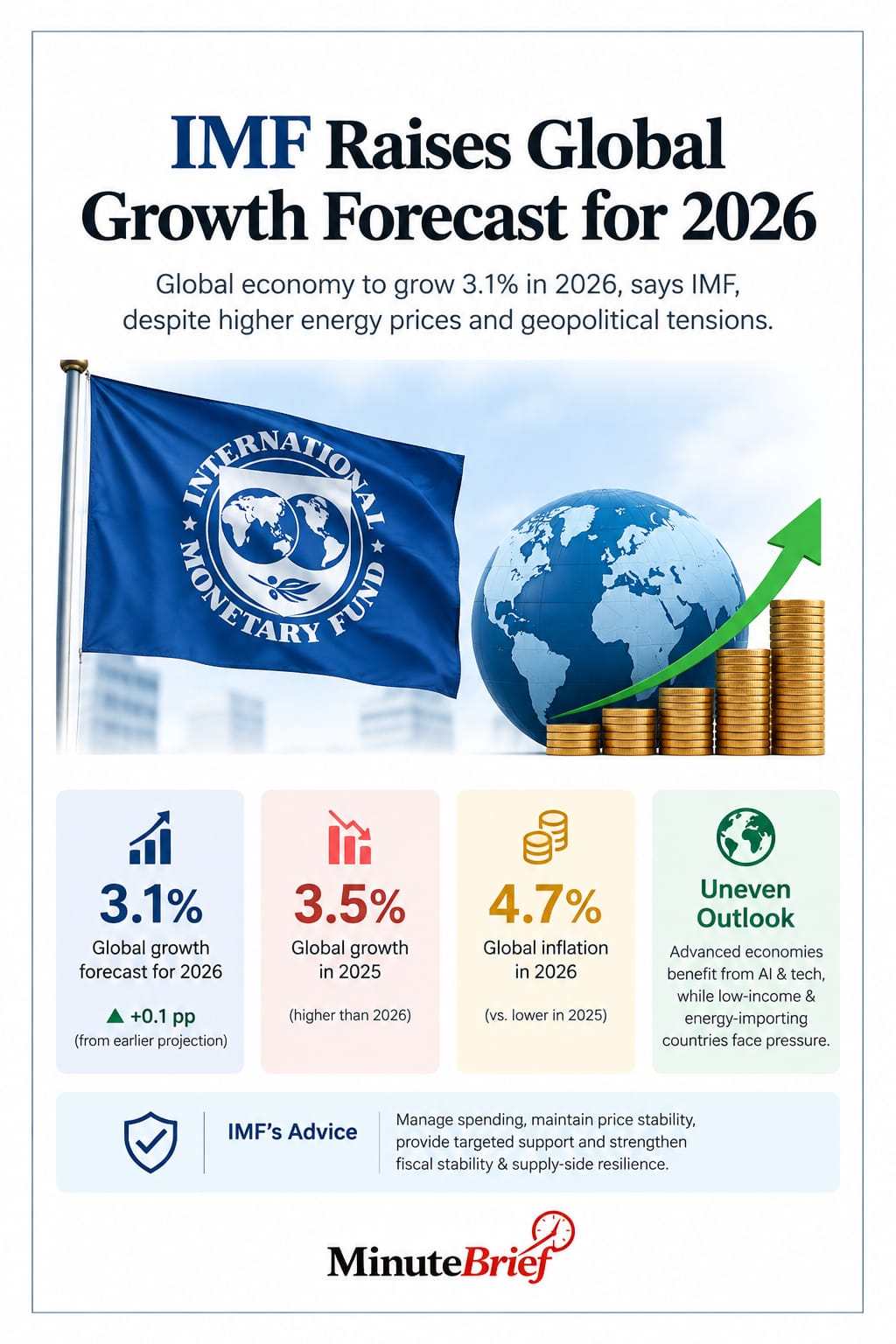
Beyond the energy crisis, the IMF highlighted uneven global growth, uncertainty around artificial intelligence investment, and climate-related risks. A slowdown in AI investment could impact advanced economies and Asian countries linked through global trade, while a stronger-than-expected El Niño could further raise food prices.
These overlapping challenges increase the economic burden on developing nations, forcing governments to balance immediate public needs with long-term financial stability.