In Brief
- While cold water immersion ebbing inflammation offers temporary pain relief, studies show that blunting natural post-workout inflammatory responses can impede long-term muscle adaptation and mass gains.
- Techniques like massage therapy and compression garments primarily improve perceived recovery and lessen soreness rather than restoring underlying muscle function.
- Researchers emphasize that fundamental lifestyle factors—including adequate sleep, complete protein nutrition, and scheduled rest days—remain the most powerful drivers of cellular muscle repair.
As multi-billion-dollar wellness industries continue marketing high-tech recovery solutions to fitness enthusiasts, sports scientists warn that expensive gadgets and trendy techniques often fall short of their promises—and may even undermine training adaptations.
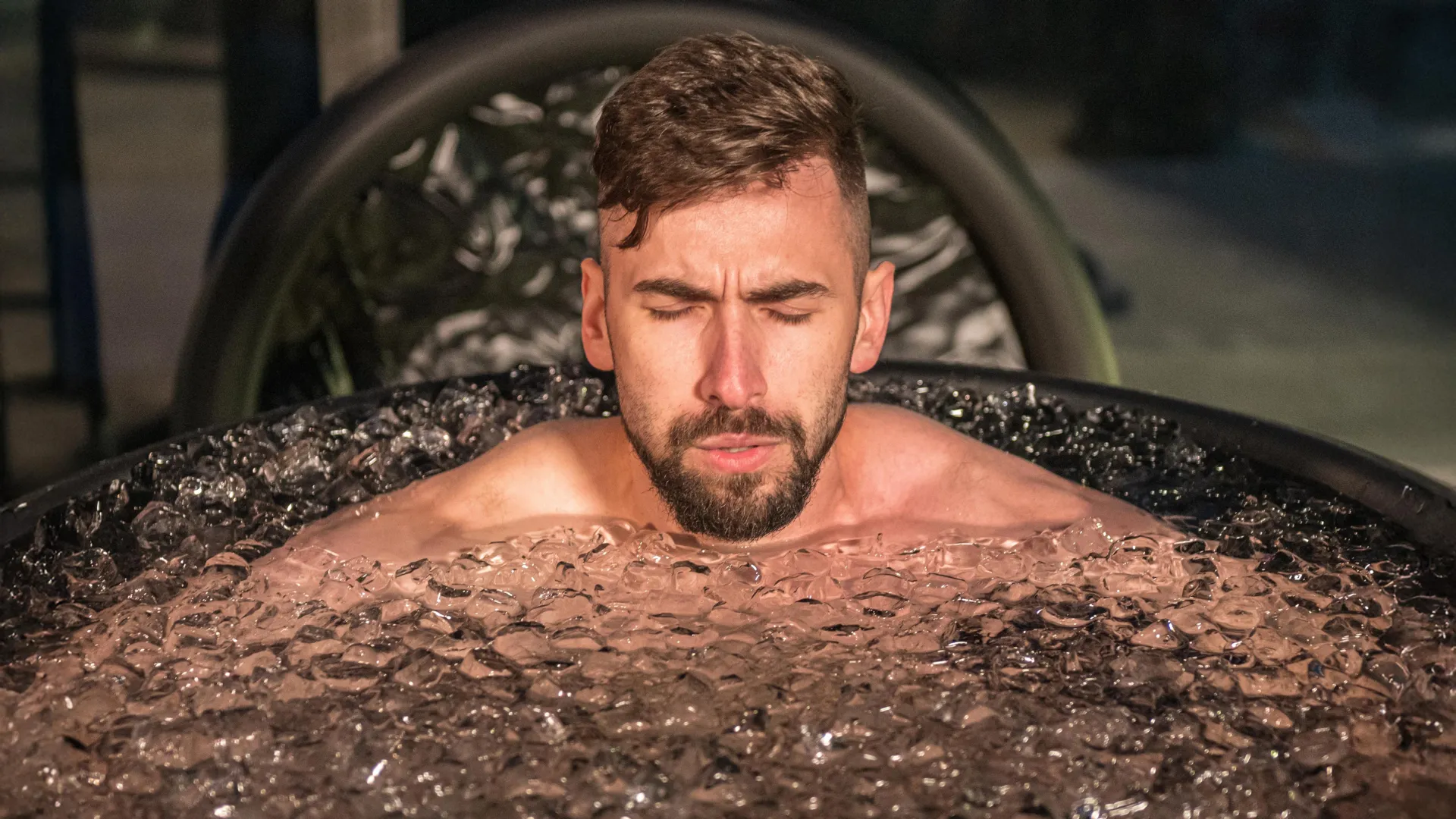
A series of scientific reviews examining post-workout recovery strategies highlighted that methods like ice baths (cold water immersion) reduce short-term soreness by constricting blood vessels and dampening acute inflammation. However, researchers note that inflammation is a critical biological trigger for muscle repair and strength adaptation. Routine use of ice baths following resistance training can suppress these essential pathways, ultimately stifling long-term hypertrophy and strength improvements. Similarly, while massages and compression wear help athletes feel less sore, objective data shows minimal impact on actual muscle function restoration.
Instead, exercise physiologists reiterate that optimal muscle recovery relies on basic, low-cost biological fundamentals. Prioritizing seven to nine hours of quality sleep—during which peak human growth hormone release occurs—alongside balanced protein intake and structured rest days provides the body with the necessary cellular environment to repair damaged tissue naturally.
Experts advise athletes and casual gym-goers alike to rely primarily on sleep, hydration, and nutrition, reserving acute anti-inflammatory techniques like cold therapy strictly for multi-event competitions where rapid short-term turnover is required.