In Brief
- Significantly Elevated Risk: Consuming late-night snacks or meals after dinner correlates with a 20% to 30% higher incidence of liver disease, including metabolic dysfunction-associated fatty liver disease and cirrhosis.
- Circadian Disruption: Lead author Dr. Robert Wilechansky highlighted that the liver operates on internal circadian rhythms, making late-night food intake disruptive to metabolic processing.
- Massive Cohort Analysis: Researchers analyzed long-term health and dietary data from nearly 200,000 adult participants across major nationwide health studies.
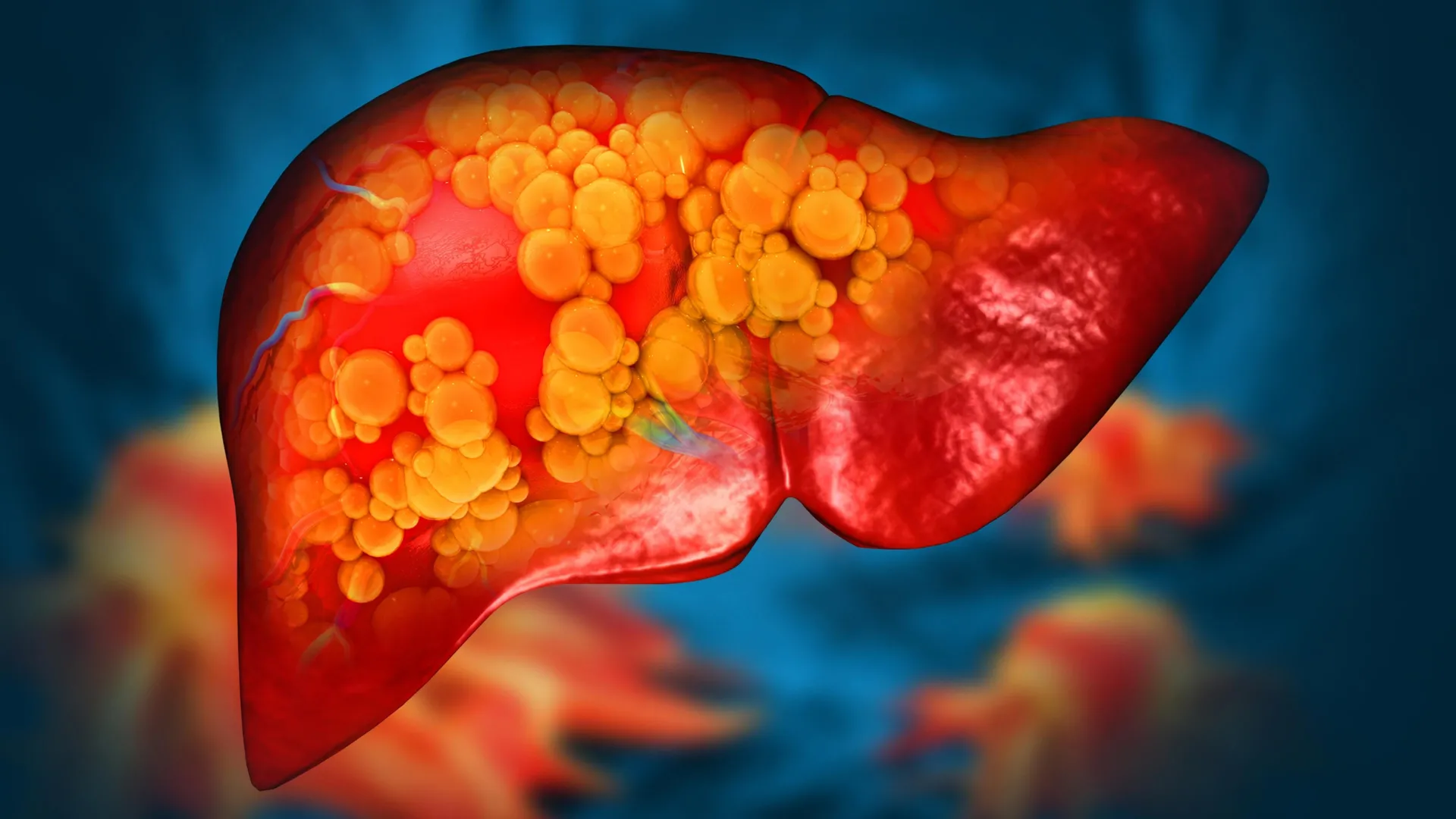
Midnight kitchen raids and late-evening meals may be doing far more damage than simply adding extra calories, according to a groundbreaking study published in Clinical Gastroenterology and Hepatology. Led by researchers at Oregon Health & Science University (OHSU), the comprehensive analysis indicates that routine late-night eating significantly elevates the risk of chronic liver disease, including non-alcoholic fatty liver disease and life-threatening cirrhosis.
The scientific team evaluated longitudinal health records and dietary logs from nearly 200,000 adults, examining how eating schedules impact long-term metabolic health. The findings revealed a direct correlation between post-dinner or bedtime eating habits and a 20% to 30% surge in liver disease cases compared to individuals who routinely fast overnight. Hepatology experts point out that the human liver relies heavily on natural circadian cycles, and processing nutrients during hours intended for metabolic rest forces the organ to process fat inefficiently, accelerating lipid buildup.
"We know the liver is very much in tune with the body's circadian rhythms," explained Dr. Robert Wilechansky, an OHSU transplant hepatologist and lead author of the study. He noted that adjusting meal timing—effectively creating a wider overnight fasting window—could offer a powerful, non-pharmaceutical intervention to safeguard metabolic and liver health without requiring drastic changes to dietary composition.
With fatty liver conditions affecting nearly one-third of the global population, medical experts hope these insights encourage individuals to treat meal timing as an essential pillar of long-term preventative care. Clinical trials are currently being planned to determine whether establishing earlier dinner cutoffs can help reverse early-stage liver damage in high-risk patients.