In Brief
- India is among the lowest scoring nations in integrating health into its NDCs.
- Limited global action noted on black carbon, harmful for climate and air quality.
- Analysis highlights a gap in addressing health within climate policies worldwide.
- Strengthening health integration is crucial for effective climate and public health outcomes.
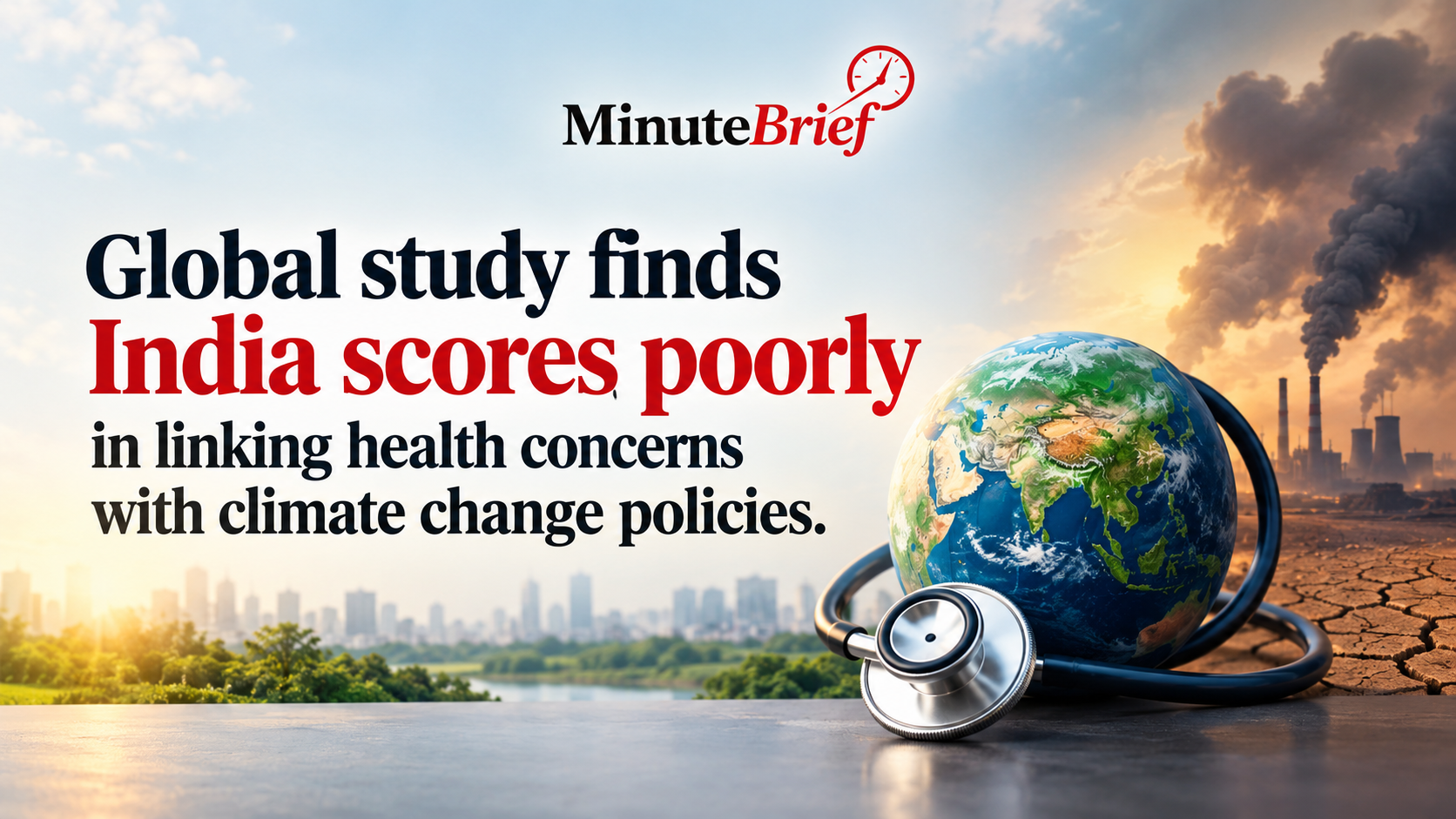
India ranks among the countries least effective in incorporating health objectives within its Nationally Determined Contributions (NDCs) to combat climate change, according to a recent analysis. The assessment highlights significant gaps in how health concerns feature in India’s climate commitments, which detail actions to reduce greenhouse gases.
Health integration within NDCs is important as climate change directly impacts public health through increased respiratory illnesses, heat stress, and vector-borne diseases. The analysis also indicated a broader global shortfall in addressing black carbon emissions—a pollutant that worsens both climate change and air pollution. Black carbon’s dual impact makes its management critical for improving environmental and health outcomes.
Experts suggest that strengthening links between health policies and climate action can enhance the effectiveness of national strategies. Improving health considerations in NDCs can help countries like India better protect vulnerable populations and tackle environmental challenges simultaneously.