In Brief
- In inverted visual processing, the eye's lens projects reversed images onto the retina, prompting the ancient midbrain (optic tectum) to develop crossed nerve fibers to accurately map surroundings.
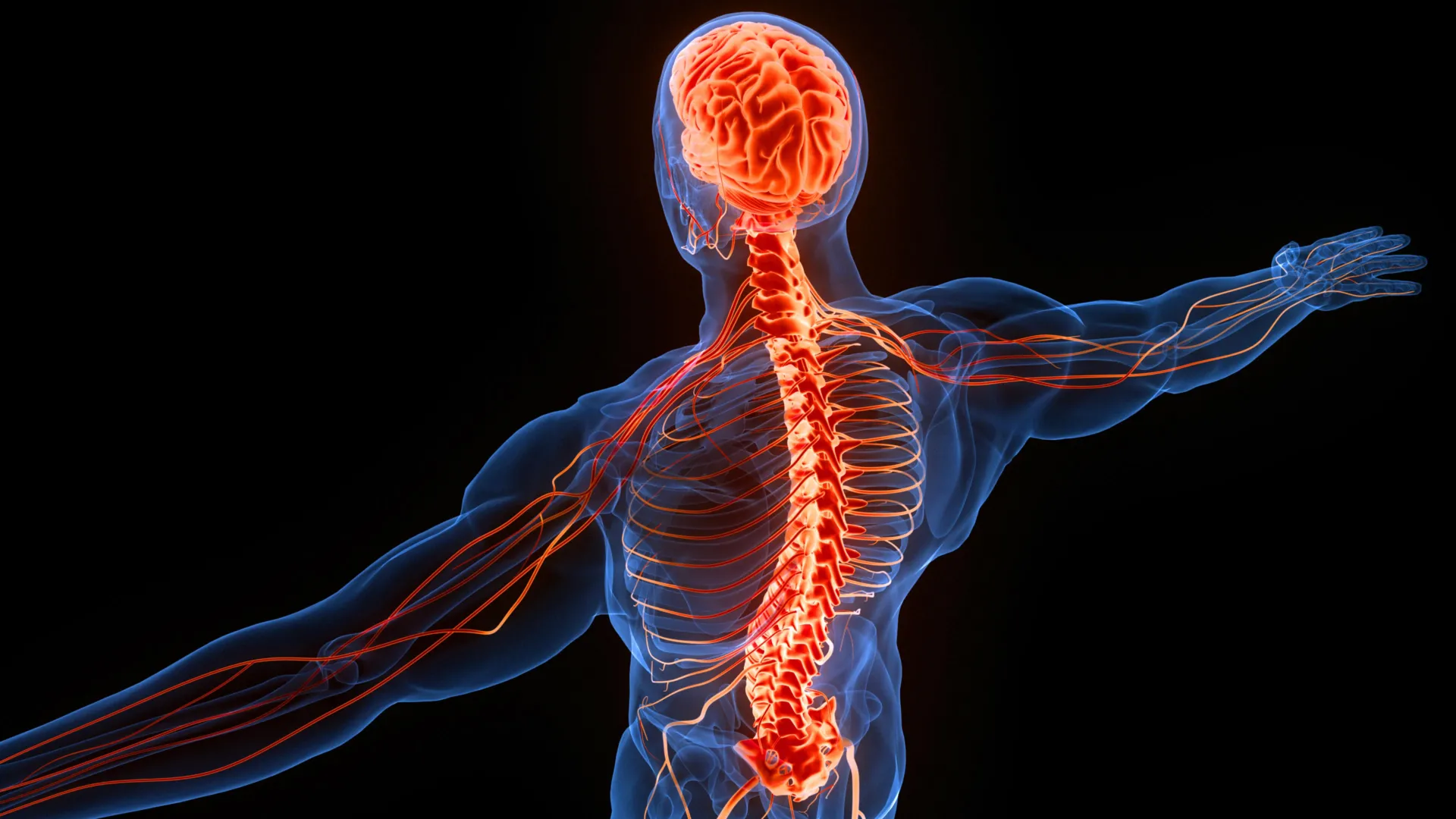
- As motor, touch, and spinal pathways evolved later in tetrapods and mammals, they aligned with the pre-existing crossed visual map.
- The contralateral setup likely endured because the energetic and biological cost of fundamentally re-engineering neural connections outweighed any theoretical benefits.
- Authored by Dr. Martin Wessendorf and Daniel Wang, the review challenges long-held theories that cross-wiring evolved specifically to improve motor coordination or survival reflexes.
For centuries, neuroscientists have pondered a fundamental puzzle of human biology: why does the left side of the brain control the right side of the body, and vice versa? A study published in Frontiers in Neuroanatomy by researchers at the University of Minnesota suggests the answer lies in 500 million years of evolutionary history.
The Optic Tectum and Inverted Imagery
According to authors Dr. Martin Wessendorf and Daniel Wang, the cross-wired setup—known as contralateral organization—originated in the visual systems of primitive aquatic vertebrates. When light passes through an eye's curved lens, the image projected onto the retina is inverted. To process environmental threats and spatial direction correctly, early fish developed crossed optic nerve pathways leading into the optic tectum, a midbrain structure responsible for rapid reactions.
Because the optic tectum served as the central integration hub in early vertebrate nervous systems, later-evolving sensory and motor pathways—including touch sensitivity and limb control—built upon this existing spatial template.
Evolutionary Legacy Over Specific Advantage
Previous theories hypothesized that cross-wiring evolved to enhance reflexes or protect against brain injuries. However, the researchers argue that the setup is primarily an evolutionary legacy.
By the time land-dwelling tetrapods and eventually mammals developed higher brain structures like the neocortex, major movement and touch pathways were already crossed. Un-crossing these complex networks would have required a massive genetic and developmental overhaul without providing a clear survival benefit. Consequently, evolution simply built modern cognitive architecture on top of an ancient foundation.