In Brief
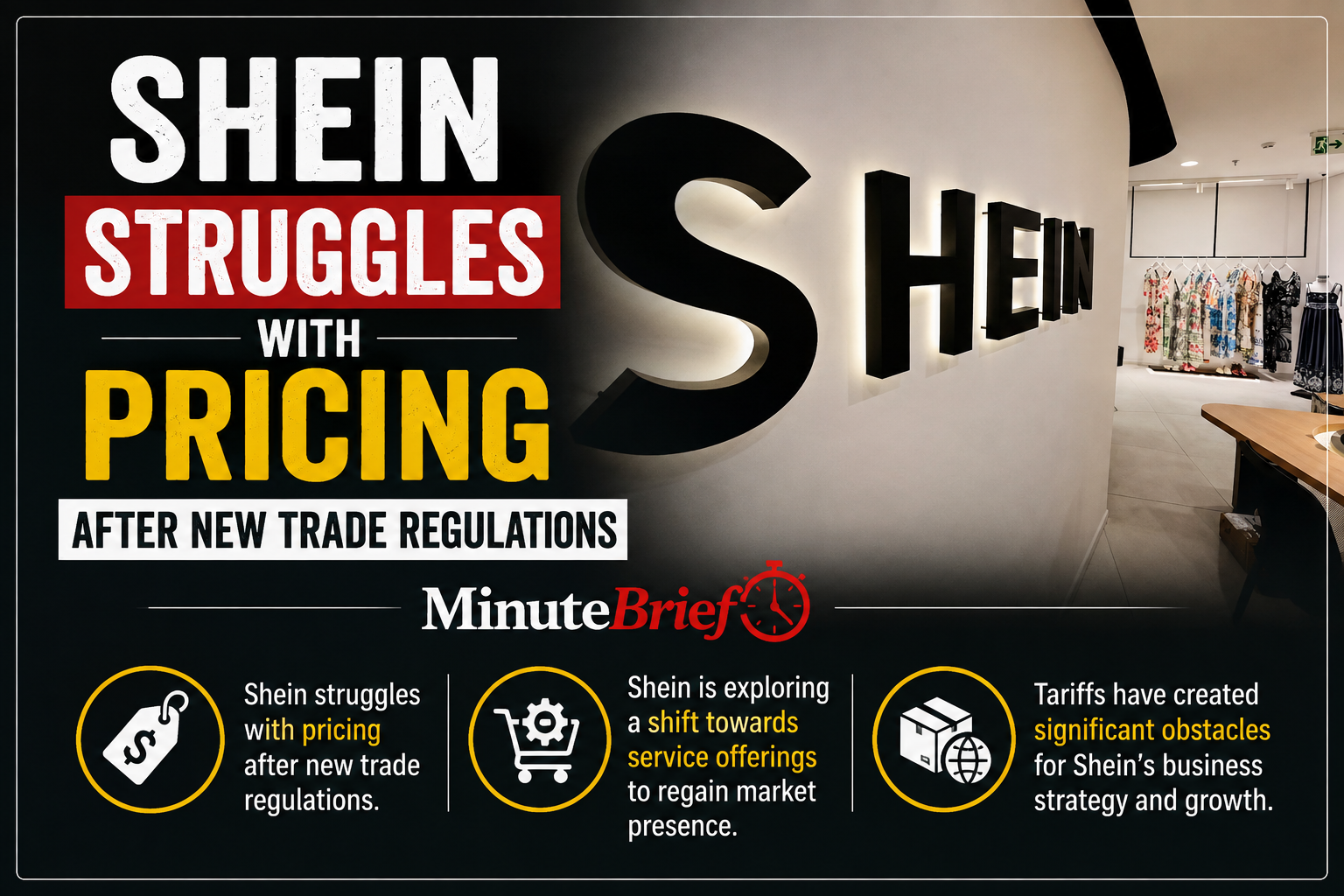
- Shein sees declining shoppers after tariffs raise its prices.
- The company’s low-price model is challenged by new trade regulations.
- Shein is exploring a shift towards service offerings to regain market presence.
- Tariffs have created significant obstacles for Shein’s business strategy and growth.
Shein, the global fast-fashion retailer known for its ultra-low prices, is now facing a major challenge as new tariffs and stricter trade regulations have compelled the company to increase its prices. This shift has led to a noticeable decline in consumer demand, putting pressure on Shein's core business model.
The tariffs have directly impacted Shein's ability to maintain its competitive pricing, which until now was pivotal in attracting budget-conscious shoppers worldwide. With prices rising, shoppers are reportedly moving away from the brand, indicating a potential long-term effect on sales volume.
In response, Shein is reportedly reevaluating its business approach, considering a pivot towards incorporating more service-oriented offerings. This strategic shift aims to diversify revenue streams and reduce dependence on low-price retailing, which is now under threat from evolving global trade policies.
The challenges posed by the tariffs highlight the vulnerability of business models heavily reliant on global supply chains and low-cost manufacturing. Shein's response will be closely watched as it navigates these regulatory hurdles.