In Brief
- Fraudsters transfer a small amount of money into an unsuspecting person's account, claim it was a mistake, and pressure the recipient to return the funds.
- When victims attempt to return the money or respond to emergency calls, they are tricked into approving malicious, high-value payment requests through their UPI applications.
- As part of its National Cyber Security Month campaign, SBI has advised users to block suspicious phone numbers immediately, avoid falling for emotional blackmail, and report fraud to the national helpline 1930.
The State Bank of India (SBI), the country's largest public sector lender, has issued a public advisory warning bank customers and digital payment users about an emerging cyber threat known as the "jumped deposit scam".
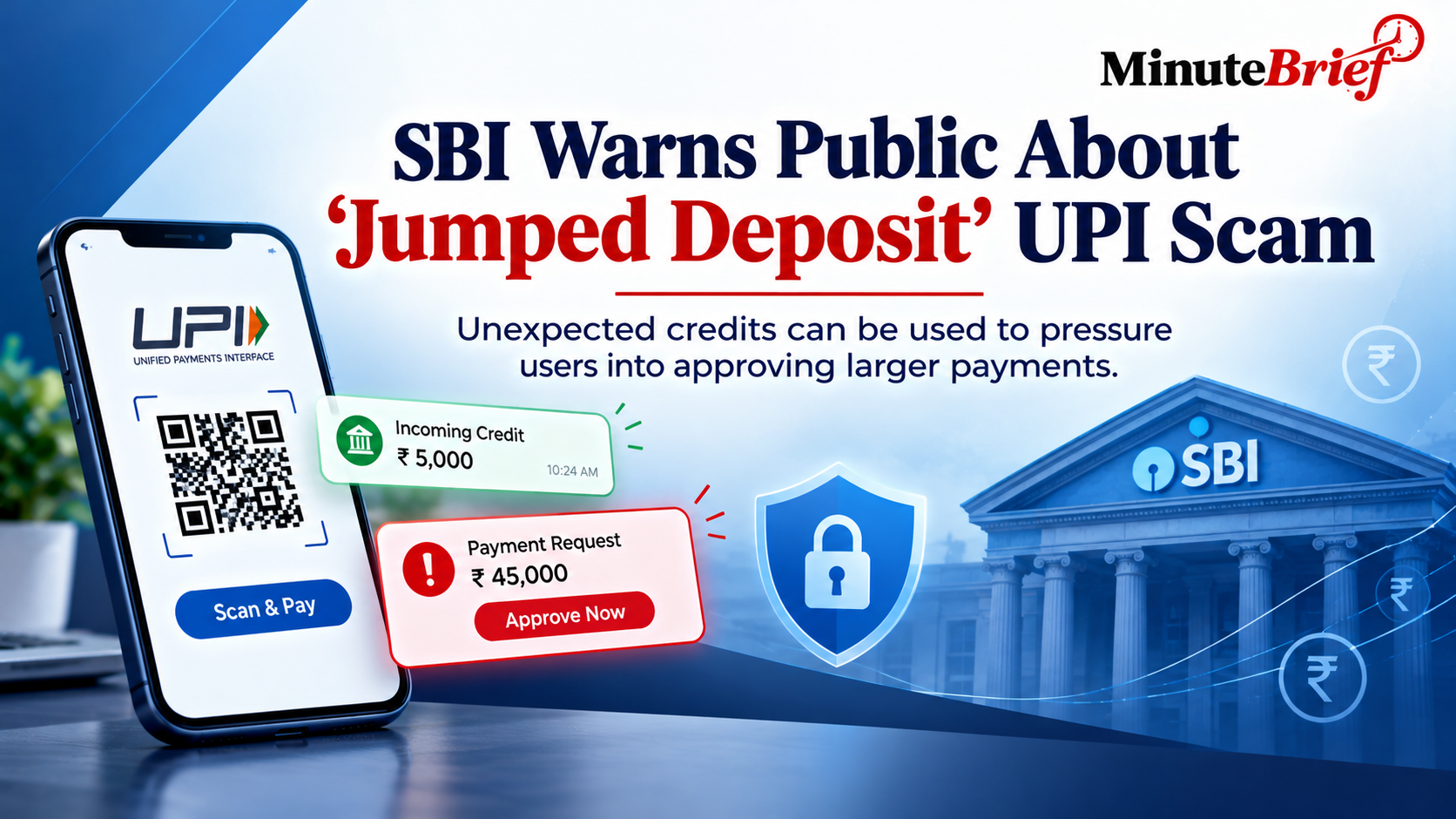
The advisory, released as part of SBI’s National Cyber Security Month Special Campaign, highlights a sophisticated method used by fraudsters to manipulate users of the Unified Payments Interface (UPI). According to the bank, scammers deliberately deposit small, unexpected sums of money into a victim's account and then contact them claiming the transfer was accidental.
Under the guise of an urgent or mistaken transaction, the perpetrators pressure recipients to send the money back immediately. However, the request is structured to trick the account holder into authorizing a fraudulent, high-value payment request instead of processing a simple refund, effectively draining funds from the victim's account.
"Unexpected credit in your account? It's a Trap! Beware of Jumped Deposit Scam!" SBI stated in an official advisory shared across its social media channels. "When you try to return it, they trick you into approving a high-value payment request. Don't fall for emotional blackmail or emergency UPI requests without confirmation."
SBI has urged customers to exercise caution when dealing with unknown senders and to independently verify any unexpected account credits through official bank channels rather than responding to direct calls. The bank also recommended blocking suspicious contacts immediately and reporting any fraudulent activity to local authorities or via the national cybercrime helpline (1930).