In Brief
- The initiative utilizes the International Union for Conservation of Nature (IUCN) Red List of Ecosystems framework to scientifically measure environmental risks across terrestrial, freshwater, and marine habitats.
- The two-year assessment spans all districts of Kerala to map habitat degradation and geographic distribution changes for targeted conservation planning.
- The project aims to provide state planners, conservationists, and policymakers with data-driven insights to mitigate climate vulnerabilities and guide future ecological restoration.
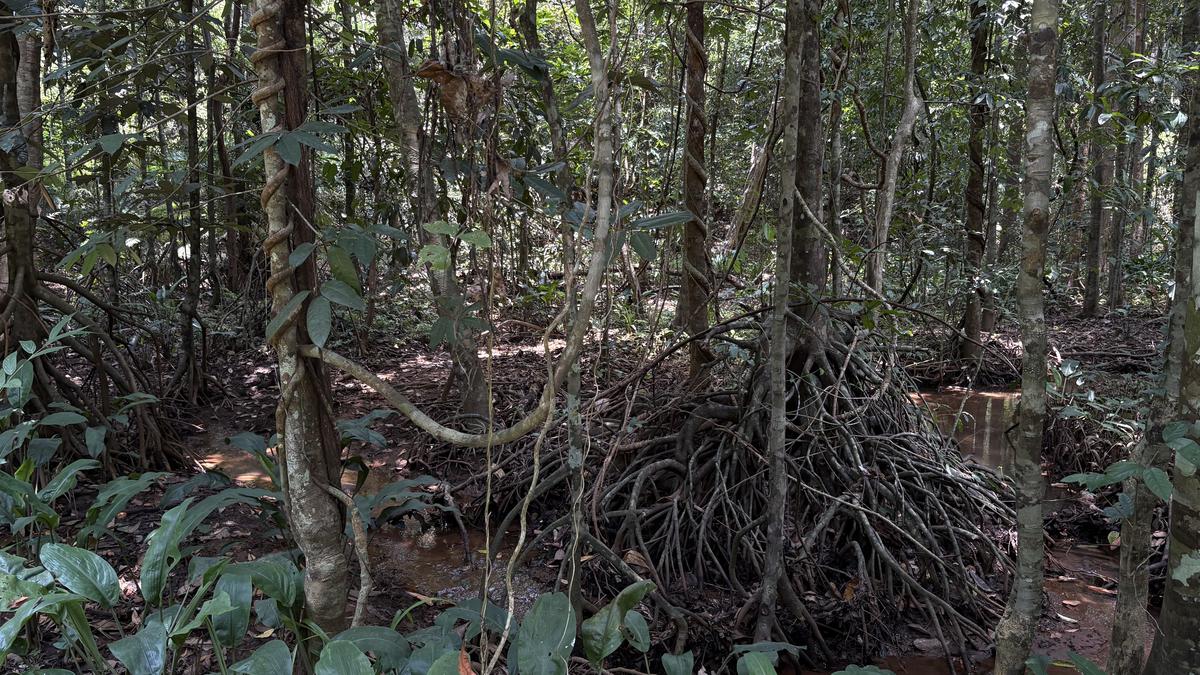
In a pioneering conservation milestone for the country, Kerala has initiated India’s first comprehensive ecosystem Red List assessment. The ambitious multi-year project is designed to systematically evaluate the health, stability, and collapse risks of diverse natural habitats throughout the state.
Rolled out under scientific criteria adapted from the IUCN Red List of Ecosystems framework, the initiative covers terrestrial, freshwater, and marine environments across every district in Kerala. By analyzing geographic shifts, human-driven pressures, and key ecological degradation indicators, the project seeks to establish a rigorous baseline database for regional environmental health.
Environmental authorities noted that the findings will directly support localized climate adaptation strategies, land-use planning, and targeted habitat restoration. As pressures from extreme weather events and rapid development mount across the Western Ghats and coastal zones, the framework provides state decision-makers with vital tools to safeguard vulnerable ecological systems.