In Brief
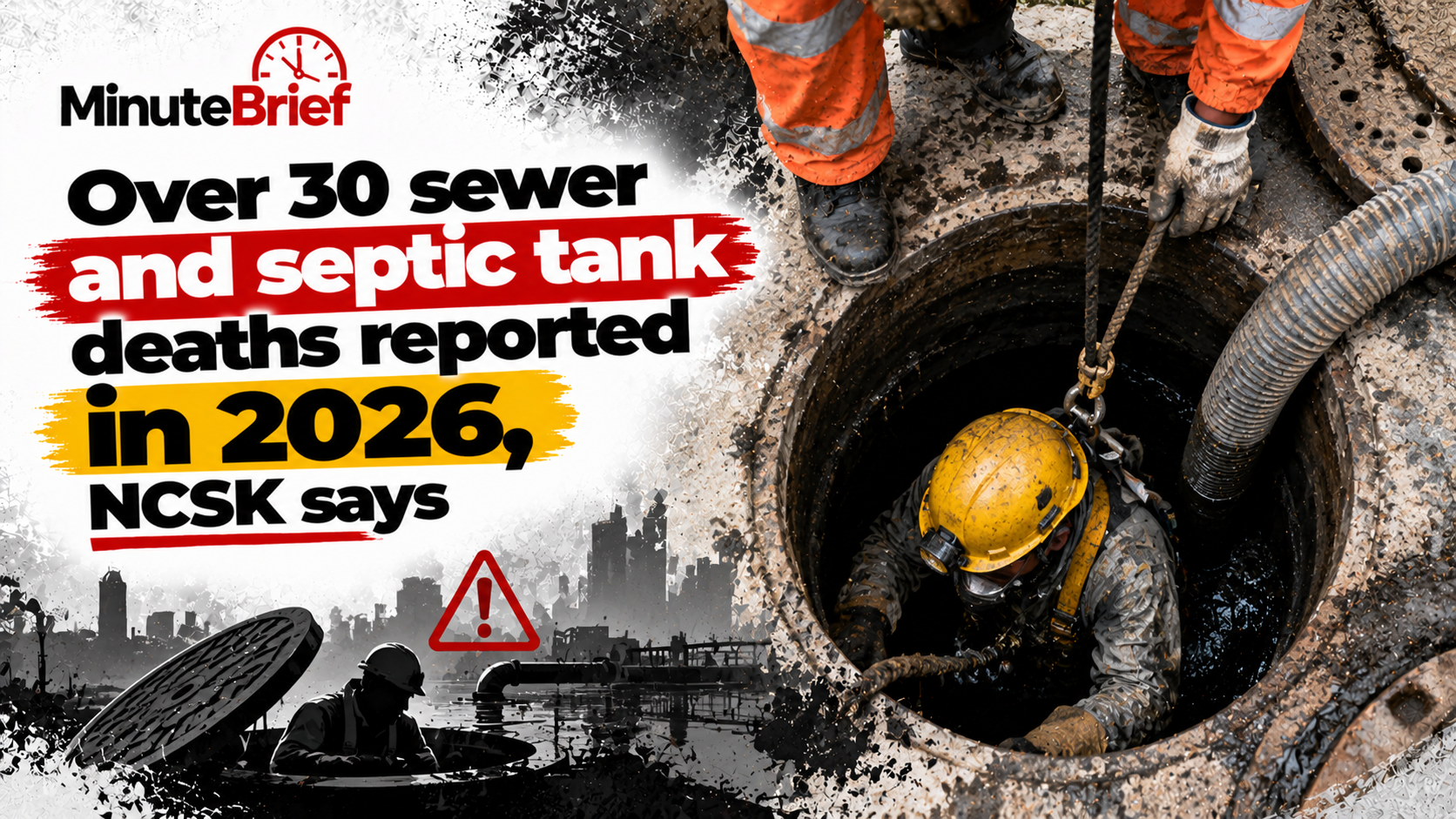
- More than 30 deaths in sewer and septic tank incidents reported in 2026.
- Haryana recorded the highest fatalities with eight cases.
- Compensation has been paid in nine of the reported deaths.
- Maharashtra and Delhi each reported six deaths so far this year.
More than 30 deaths reported in sewer and septic tank accidents in 2026
The National Commission for Safai Karamcharis (NCSK) has reported that over 30 deaths have occurred in sewer and septic tank incidents across India in 2026. According to data released by the Commission, Haryana reported the highest number of fatalities this year, with a total of eight cases.
Maharashtra and Delhi follow with six deaths each, highlighting a continued risk to sanitation workers and others involved in cleaning operations. The NCSK also stated that compensation has been disbursed in nine of these cases so far, indicating steps taken by authorities to support the affected families.
Background and significance
Sewer and septic tank cleaning remain hazardous tasks in India, often exposing workers to toxic gases and unsafe environments. The NCSK’s data underscores the persistent dangers faced by sanitation workers, many of whom work under challenging conditions without adequate safety measures.
The higher number of deaths in states like Haryana, Maharashtra, and Delhi signals the need for enhanced safety protocols and stricter enforcement of occupational safety laws. Compensation payouts, while crucial, address consequences rather than preventing incidents.
Why it matters
Ensuring the safety of sanitation workers is critical for public health and human rights. These fatalities bring attention to the urgent necessity for improved working conditions, access to protective equipment, and awareness programs to prevent further loss of life.