In Brief
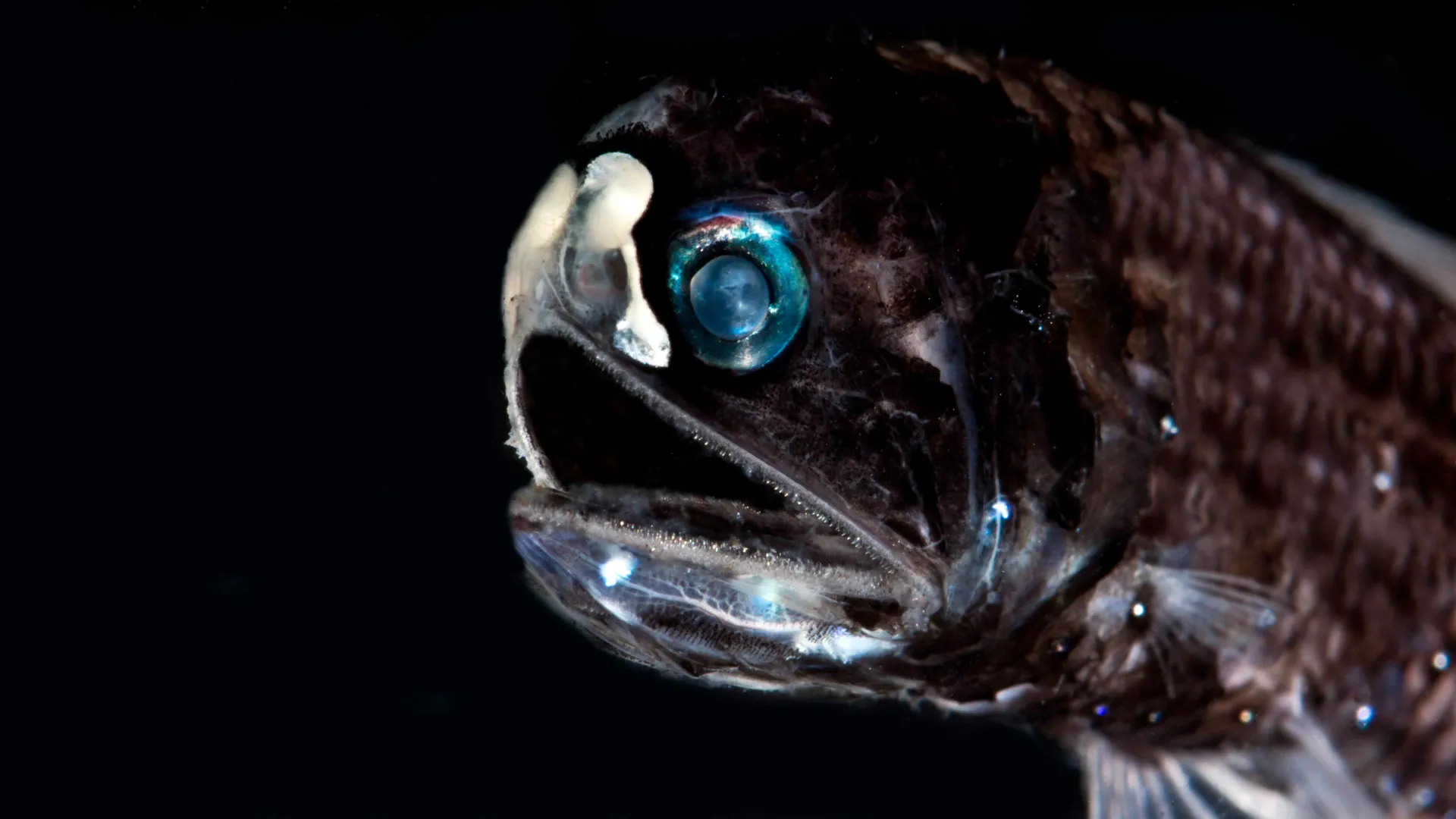
- DNA analysis of 486 samples from three lanternfish and two deep-sea shrimp species collected between 2011 and 2023 revealed genetic markers linked to heightened extinction risk across every species studied.
- The lanternfish Diaphus dumerilii lost approximately 8% of its genetic diversity over 12 years—a decline comparable to losses seen in endangered land species over nearly a century.
- Even when total headcounts appear large, only a relatively small pool of individuals effectively passes genes to future generations, reducing adaptive resilience.
- Climate models indicate four of the five species could lose up to 70% of their suitable habitat by 2050–2100, compounding pre-existing genetic vulnerability.
Genetic Monitoring Reveals Risks Missed by Headcounts
For decades, marine biologists assumed deep-pelagic animals inhabiting waters hundreds of meters below the surface were buffered from rapid biodiversity loss due to the sheer scale of their habitat. However, by sequencing DNA from 486 specimens gathered through the DEEPEND research consortium between 2011 and 2023, the FIU-led team uncovered vulnerabilities that traditional population counts miss.
Across all three lanternfish species and two deep-sea shrimp species, effective population size estimates—a key conservation metric measuring how many individuals actively contribute genetic diversity to the next generation—fell below standard conservation thresholds. Most dramatically, the lanternfish Diaphus dumerilii saw its genetic diversity drop by 11% to 13% between 2011 and 2016 before partially stabilizing, still leaving it 8% lower in 2023 than in 2011.
Climate Change and Oil Spill Legacy Compound Vulnerability
The genetic findings also add new context to the aftermath of the 2010 Deepwater Horizon oil spill, after which deep-Gulf pelagic fish and crustacean populations declined steeply. Rather than proving the spill caused the genetic erosion, the data suggests some deep-sea populations may have already possessed limited genetic resilience prior to the disaster—making industrial spills and warming waters far more consequential.
Looking ahead, climate modeling indicates that four of the five species could lose up to 70% of their suitable habitat by 2050 and 2100. "This challenges the idea that deep-sea species are naturally more resilient because they occupy such vast environments," lead author Pedro A. Peres noted, calling for long-term genetic surveillance to become a standard tool in deep-ocean management.