In Brief
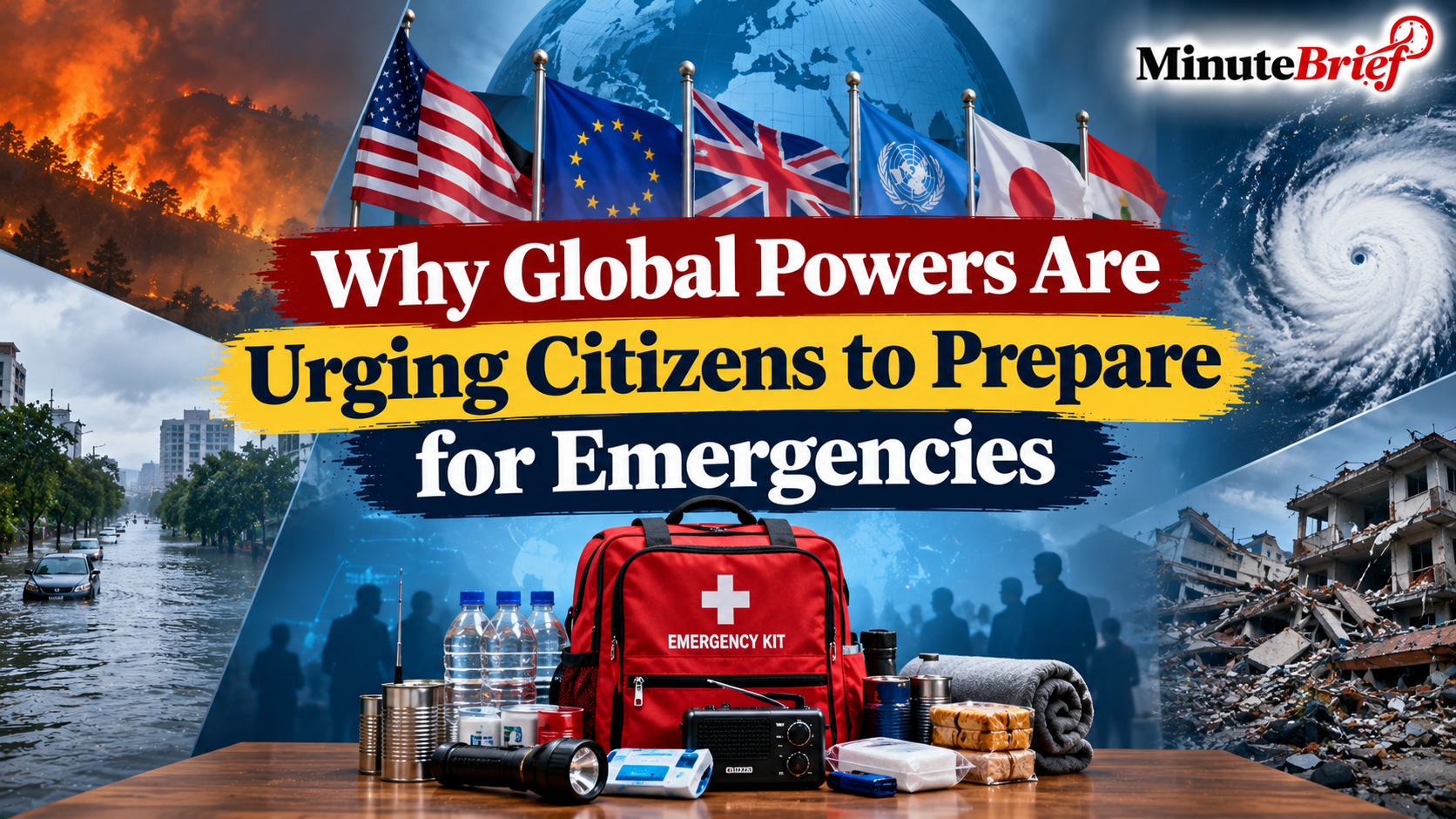
- Governments in the UK, US, Japan, and various European nations are issuing coordinated calls for public emergency preparedness.
- These readiness campaigns are prompted by growing concerns over the war in Ukraine, potential state-backed conflicts, advanced cyberattacks, infrastructure sabotage, and natural disasters.
- Individual nations are focusing on distinct readiness strategies, such as the US prioritizing military base resilience, Japan focusing on natural disaster protocols under a new disaster agency, and the UK launching its "Be Ready" public campaign.
- Citizens are being strongly advised to store at least 72 hours to a week's worth of essential supplies, including drinking water, non-perishable food, and medical kits.
Global Readiness Alert: Why UK, US, and Other Nations Are Telling Citizens to Prepare for Emergencies
Governments across the UK, US, Japan, and Europe are strongly urging citizens to prepare for unexpected emergencies. These coordinated warnings come amid escalating concerns over geopolitical friction, such as Russia's ongoing war in Ukraine, increasing cyberattacks, infrastructure sabotage, and severe natural disasters.
Diverse Focus Areas Across Nations
While the core message of preparedness is shared globally, different nations are tailoring their alerts to specific regional threats:
- The United States: The Pentagon has focused heavily on boosting military resilience, developing frameworks like the FORTRESS plan to ensure major installations can survive independently during a major conflict.
- Japan: Preparing for its newly launched National Disaster Management Agency, Japan continues to focus heavily on disaster readiness to cope with earthquakes and other environmental calamities, urging households to store up to a week of supplies.
- The United Kingdom & Europe: Following warnings from officials like UK Defence Secretary Wes Streeting regarding potential hostile-state threats and critical infrastructure vulnerabilities by 2030, nations like Britain and Norway have rolled out public guidance (such as the UK's "Be Ready" campaign) advising households to prepare for potential disruptions to power, water, and digital services.
Stockpiling Essential Supplies
As part of these readiness initiatives, people are being urged to stock essential household supplies. Official advice heavily emphasizes storing critical items like drinking water (three liters per person daily), medicines, non-perishable foods, power banks, and first-aid kits to ensure households can sustain themselves independently during the initial stages of any sudden crisis.